Yellowstone’s roads are closing for winter. Here’s how to still see it
Most park roads closed to regular traffic Nov. 1, but one route through the Lamar Valley stays open year-round.
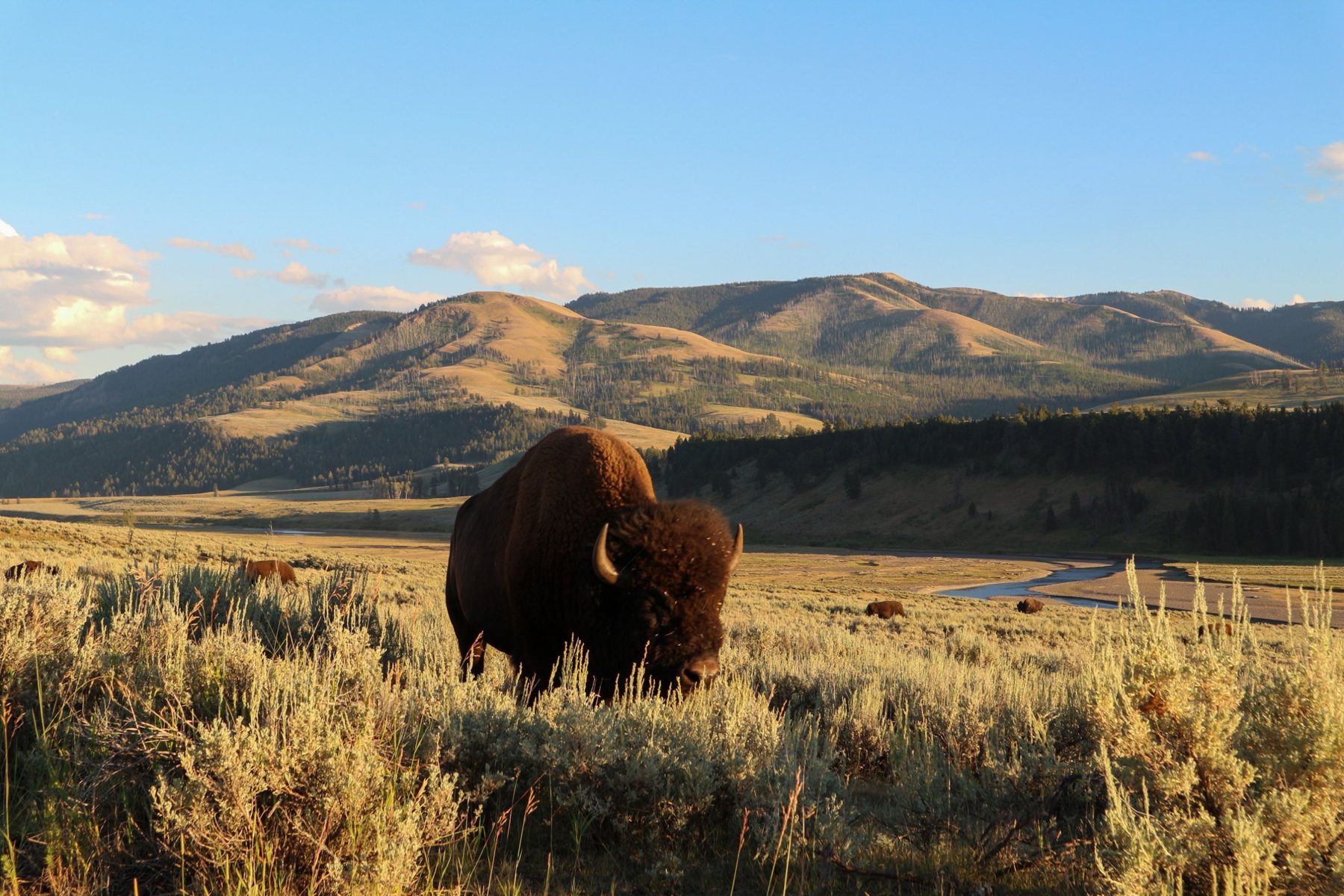
The northern road through Yellowstone stays open all year, though this stretch looks very different under snow. Photo: Gintare K
Yellowstone in early winter is steam and silence: bison dusted white, thermal vents smoking against a pewter sky, a valley so quiet you can hear the snow settle. Getting there just got harder.
Most of the park’s roads closed to regular vehicle traffic Nov. 1, including routes in from the West, South and East entrances, according to the National Park Service. The park itself stays open.
The exception is the northern road from Gardiner, Montana, through Mammoth Hot Springs, Tower Junction and the Lamar Valley to Cooke City and Silver Gate, Montana. It generally stays open year-round, weather permitting, and runs through some of the park’s best winter wildlife country.
Guided oversnow tours by snowcoach and snowmobile begin Dec. 15, leaving a gap of about six weeks when the interior is off-limits to most visitors. Spring reopening dates are posted on the park’s road calendar.
That gap is not a loss.
That gap is not a loss. Early winter on the northern road means fewer cars, low golden light for photographers and a chance to watch wildlife without a traffic jam behind you.
Plan your trip: Use the North Entrance at Gardiner. Pack layers, boot traction devices, binoculars and a thermos, and keep your gas tank full, since services are limited in winter. Check the park’s road status line or website before you drive, because even the open road can close for weather. If you want to see Old Faithful, book an oversnow tour with an authorized operator now; mid-December dates fill early.