






















Why GLP-1 users are turning to fillers, and what 2 small company studies show
Fast weight loss can hollow the face, and filler adds back volume that creams can’t reach. Allergan’s two studies were small, open-label and company-run, so read the fine print.
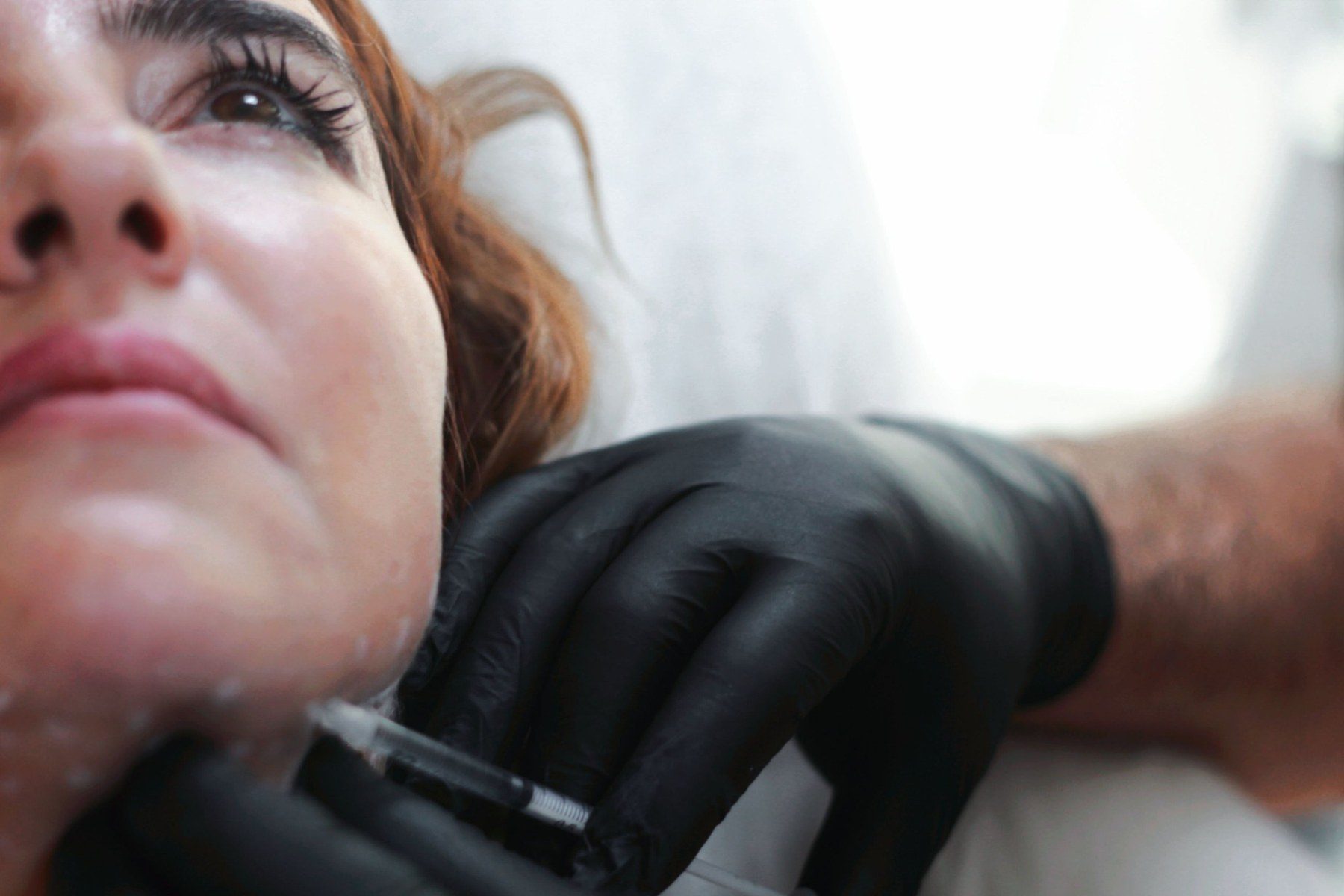
Photo: Orhun Rüzgar ÖZ / Pexels
GLP-1 drugs such as Ozempic can take weight off quickly, and the face goes with it. The fat under the skin that rounds out the cheeks and temples shrinks, and what is left can look hollow, looser or less firm. That is the change people call “Ozempic face.”
The name is a little unfair to the drug. Experts told Reuters in October that the cause is rapid weight loss, not the medication itself. Facial plastic surgeon Michael Somenek said losing a large amount of weight over four to six months can significantly affect facial volume. Age adds to it: The drugs are used most widely by adults 50 to 64, the news agency reported, when collagen is already declining and, for many women in menopause, estrogen is too.
That is where fillers come in. Creams work on the surface of the skin. The volume is lost deeper, in the fat layer, and hyaluronic acid filler is injected to add it back. Dermatologist Beibei Du-Harpur told Reuters that fillers work better than creams for this, and that there is no evidence topical products reach the layer where the fat is lost.
What the studies show
The companies that make injectables have noticed. Allergan Aesthetics, part of AbbVie, presented two studies at the American Society for Dermatologic Surgery meeting, held Nov. 5-8, testing injectables in people taking GLP-1 drugs, Personal Care Insights reported.
In one study, 30 adults on GLP-1 medications received hyaluronic acid filler, Botox and a skin care regimen. Their satisfaction with their facial appearance rose an average of 42.4 points on a 100-point patient questionnaire, measured 30 days after the Botox treatment. In the second, an interim look at 25 adults getting filler, satisfaction rose 39.6 points after three months, and about 96% said they still looked like themselves.
Most side effects were mild and resolved on their own, the company said.
Changing faces are not a flaw to fix, and nobody owes the world a smoother cheek.
The fine print
Now the fine print a beauty editor reads first. Both studies were small, had no comparison group, and everyone knew what treatment they got. The results came from the company that sells the products. Satisfaction scores measure how people feel about their faces, which matters, but they are not the same as a clinical outcome.
Bigger picture: Reuters reported that major beauty companies are targeting the market created by obesity drugs. Expect more serums, devices and treatment packages pitched to GLP-1 users this winter.
Our take
Changing faces are not a flaw to fix, and nobody owes the world a smoother cheek. If you want treatment, choose it on your terms. Ask a board-certified dermatologist about results in people whose weight is still changing, total cost per year, how long filler lasts and whether to wait until your weight stabilizes.
Volume One · November 2026