























Stop-and-go sports beat walking and weights on bone-building markers, a review finds
A meta-analysis of 24 studies found soccer and handball raised blood markers of new bone formation by up to 46%, while walking and resistance training barely moved them.

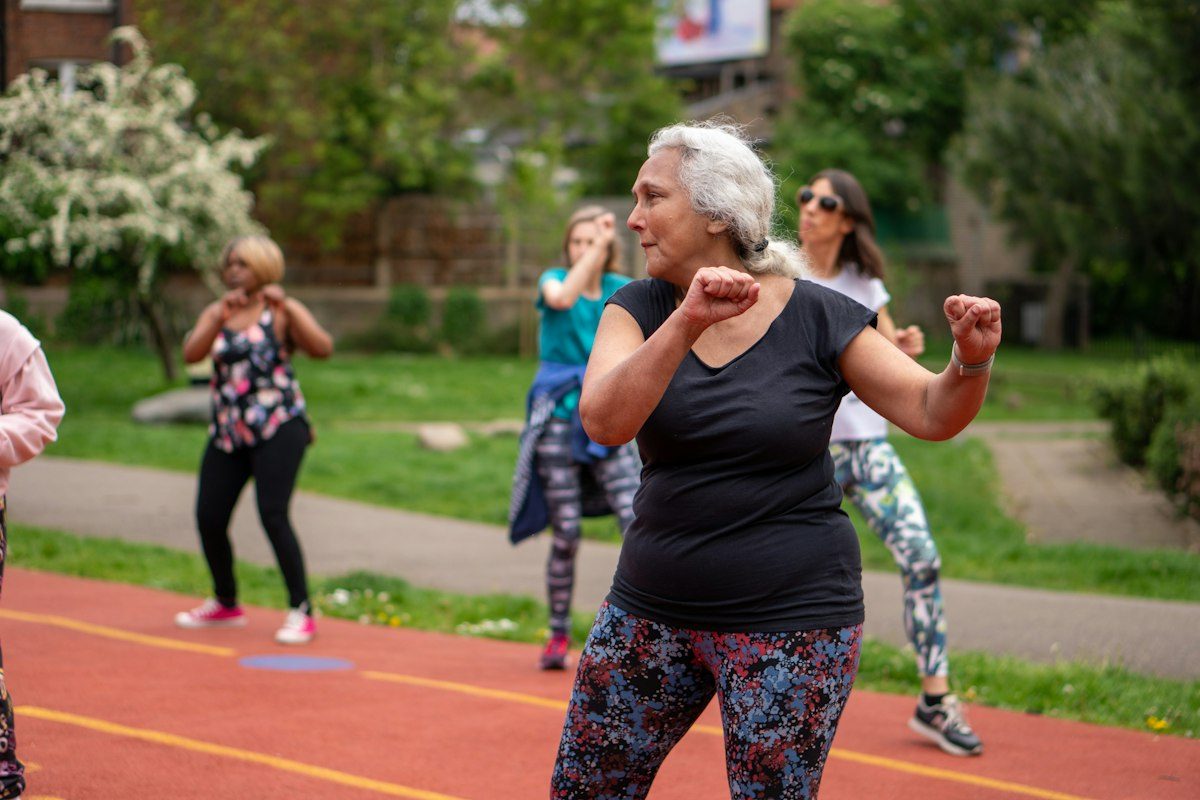
Photo: Jeffrey F Lin / Unsplash
If you have been told walking is all your bones need, a new review suggests the story is more complicated, though not in a way that means hanging up your sneakers.
Researchers at Semmelweis University in Hungary pooled 24 clinical studies involving 1,238 healthy adults and looked at blood markers that signal new bone formation, rather than bone density, which takes much longer to change. The findings were published in Sports Medicine - Open, according to a Nov. 11 release.
What moved the markers
Recreational soccer and handball, sports full of sprints, jumps and quick changes of direction, were linked to increases of about 45% to 46% in bone-formation markers. Low- to moderate-intensity endurance exercise such as walking and jogging showed no meaningful long-term effect on those markers. Walking and step aerobics trailed the high-impact sports. Gym-based resistance training, which many guidelines recommend for bone health, had no significant effect on the markers.
Blood markers are an early signal, not a fracture outcome.
The caveats
That last point deserves caution. Blood markers are an early signal, not a fracture outcome, and the release does not break results down by sex or age, so it is unclear how well they apply to women in midlife. Other research has linked strength training to benefits for muscle, balance and fall risk that these markers do not capture.
The authors themselves say the results do not mean people should abandon walking or jogging, which have other health benefits. They also advise anyone with heart, joint or metabolic conditions, or osteoporosis, to talk with a clinician before taking on more demanding exercise.
Volume One · November 2026